Computer Scientist · PhD · Researcher

Dr. Debra
Hogue

Human–AI Collaboration & Trust Calibration

I study what happens when humans and AI systems share decisions under uncertainty — and what it costs us when trust is misplaced. My research bridges human factors, visualization, and applied AI to build frameworks for safer, more effective collaboration between people and intelligent systems.
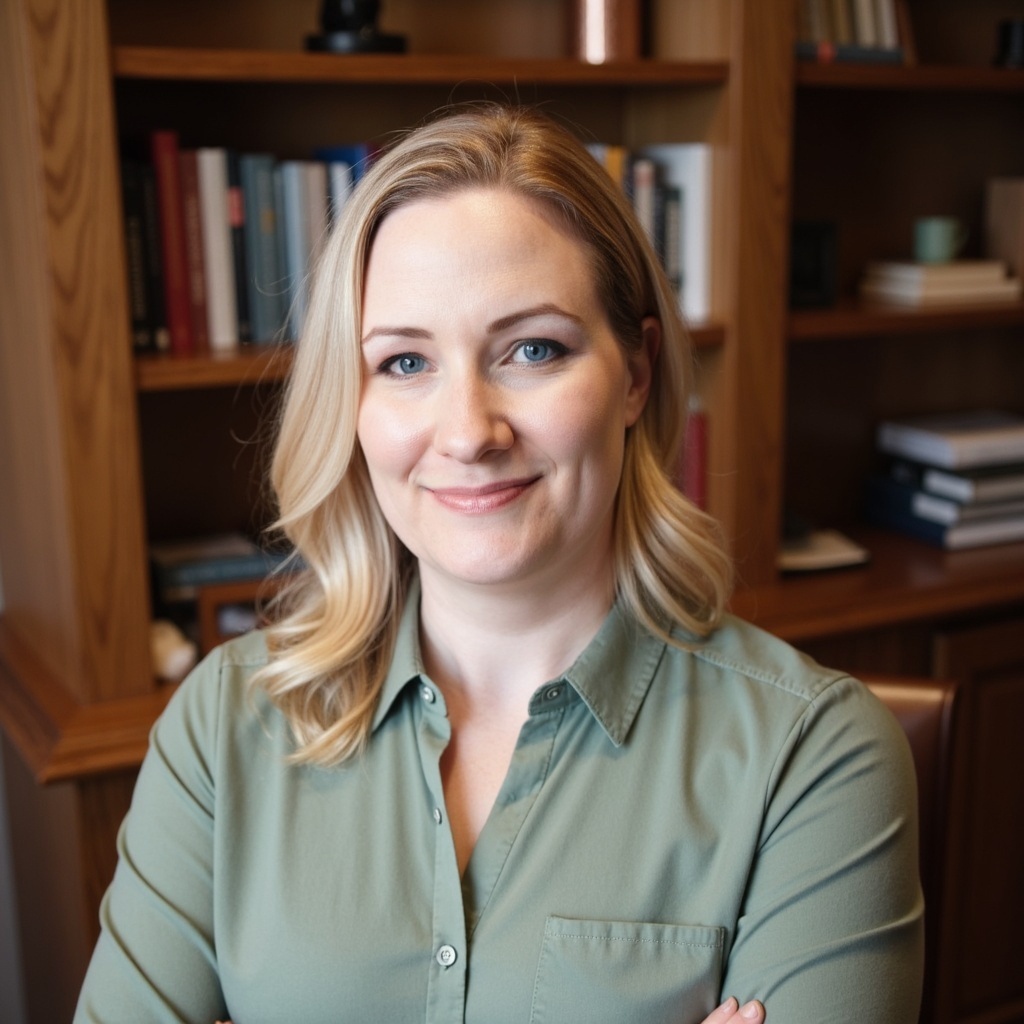
Dr. Debra Hogue — Computer Scientist & Human-AI Collaboration Researcher
N=150 User Study
Best in Session
PhD Univ. of Oklahoma

Where my work lives

01

Trust Calibration in AI-Assisted Decision-Making

Investigating how users form, update, and over-extend trust in AI systems — particularly under time pressure. My dissertation documents the "understanding-trust gap," a systematic pattern in which users trust AI outputs without fully comprehending them.

02

The MICA Framework

Mixed-Initiative Camouflage Analysis — a human-AI collaboration framework developed through an N=150 comparative study of MURDOC and FACE systems, examining how interface design shapes operator trust and detection accuracy.

03

The Crisis Adoption Problem

An original concept connecting institutional AI adoption patterns to high-stakes human decision-making. Organizations and individuals reach for AI solutions most aggressively exactly when careful evaluation is most critical — a structural vulnerability I call the Crisis Adoption Problem.

04

AI Authenticity & Cultural Reception

Emerging research examining how audiences detect, evaluate, and respond to AI-generated content in creative domains — with implications for authenticity norms, human creative identity, and the sociology of AI adoption.

Publications & Presentations

Ideas in progress

Original Concept

The Crisis Adoption Problem

The moments of highest stakes — crisis, urgency, institutional stress — are precisely when organizations and individuals are least equipped to evaluate AI tools critically. Speed overrides scrutiny. Pressure substitutes for process. The result: AI adoption happens fastest where calibration matters most, and slowest where the cost of getting it wrong is low.

This concept extends my dissertation findings on time-pressure and over-reliance into a structural critique of how AI enters organizations and decision pipelines.

🏛️

PhD, Computer Science

University of Oklahoma · Gallogly College of Engineering · 2026

🏆

Best in Session — Three Consecutive Years

IEEE DASC · 2023 · 2024 · 2025

🎤

Panelist — InnoTech Oklahoma / OKWIT

Human-AI Collaboration · 2025

💻

Computer Scientist, 76 SWEG/557 SWES

Tinker Air Force Base · Oklahoma

From the blog

★ Featured Essay · June 2026

The Crisis Adoption Problem

We reach for AI hardest when we can least afford to get it wrong. Organizations adopt new AI tools fastest under crisis conditions — exactly when careful evaluation and trust calibration are most important, and most scarce.

Read Essay →
AI Adoption Trust Calibration Human Factors

"The conditions that make AI adoption feel most urgent are precisely those that make careful evaluation least likely."

View All Writing

Let's connect

I welcome conversations about human-AI collaboration research, speaking invitations, collaborative projects, and opportunities at the intersection of applied AI and human factors. Whether you're an academic, practitioner, or organization navigating AI adoption — reach out.

Connect on LinkedIn